How to Plan Output for a Small Bottling Line
Start with the number of good bottles you need at the end of the line. A filler can meet its own speed target while the line still falls short if caps arrive irregularly, labels need frequent roll changes or rejects are counted as finished bottles.
Convert the shift target into finished bottles per minute
Divide the target number of accepted bottles by the minutes available to run. For example, a shift target of 6,000 good bottles with 360 minutes left after planned cleaning and changeovers requires an average of 16.7 good bottles per minute during that window. If normal short stops leave the line moving for only 90% of that window and 98% of bottles pass inspection, the line needs to process about 18.9 bottles per minute while moving. These percentages illustrate the calculation. Use your own records or measure them in a trial, and count each loss only once.
Check each station with the actual pack
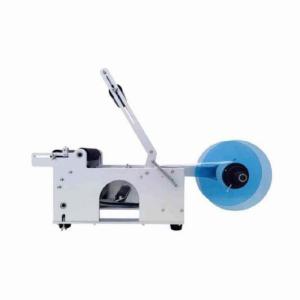
List bottle feeding, filling, cap feeding and capping, labeling, and collection in production order. Use the actual liquid, fill volume, bottles, caps and labels. During the trial, record where bottles queue and where the next station runs out of work. A small buffer can absorb a brief stop. If a station consistently handles fewer bottles than the others, the line will eventually run at that station's pace.
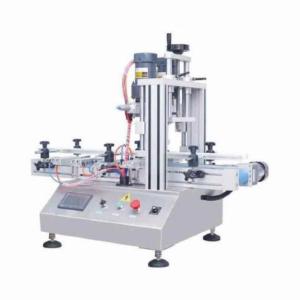
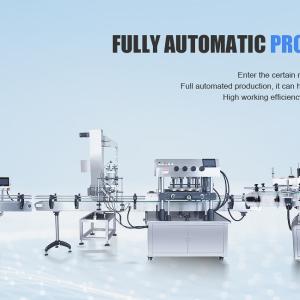
For a compact layout, compare the LT-DFC4-CF filling and capping unit, which can connect to a downstream labeler, with the desktop rotary line for small bottles and vials. Check the bottle and cap format with the supplier before comparing speeds.
Measure good output over a representative run
- Agree on what counts as a good bottle. Include fill tolerance, cap fit or torque, and label position where relevant.
- Count accepted bottles at the final station over a timed run. Record rejects, short stops and their causes separately.
- Run the slowest expected format as well as the one you plan to make most often. Include a restart and a normal replenishment task such as topping up caps.
- Use the measured good bottles per minute and the planned production window to estimate shift output. Record the crew size and which tasks still need an operator.
To request a bottling line trial, share your shift target, bottle and cap samples, fill volume, label dimensions, and the time you expect to spend on cleaning and changeovers.
Related News